



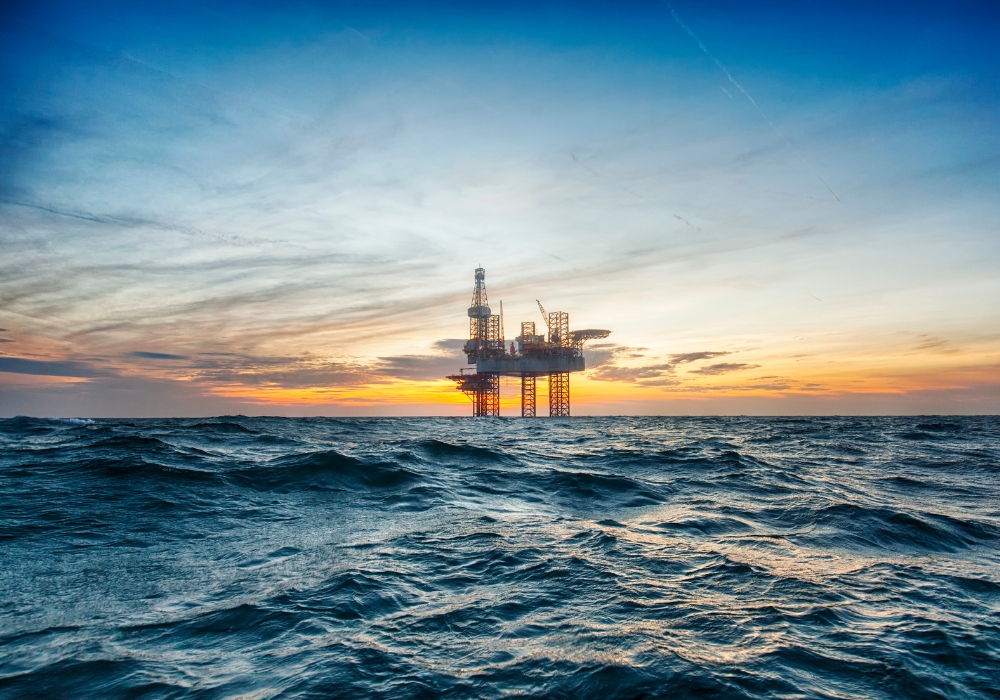
Offshore Structures Loads: Types of Loads Affecting Marine Structures
Offshore structures, such as oil and gas platforms, wind turbines, wave energy systems, and pipelines, are complex marine engineering projects. Unlike land-based buildings, these structures are subjected to continuous environmental loads like waves, wind, currents, and seismic activity.
Therefore, the topic of loads in offshore structures is one of the most critical stages in engineering design. Without proper load analysis, both structural safety and economic lifespan are at significant risk.
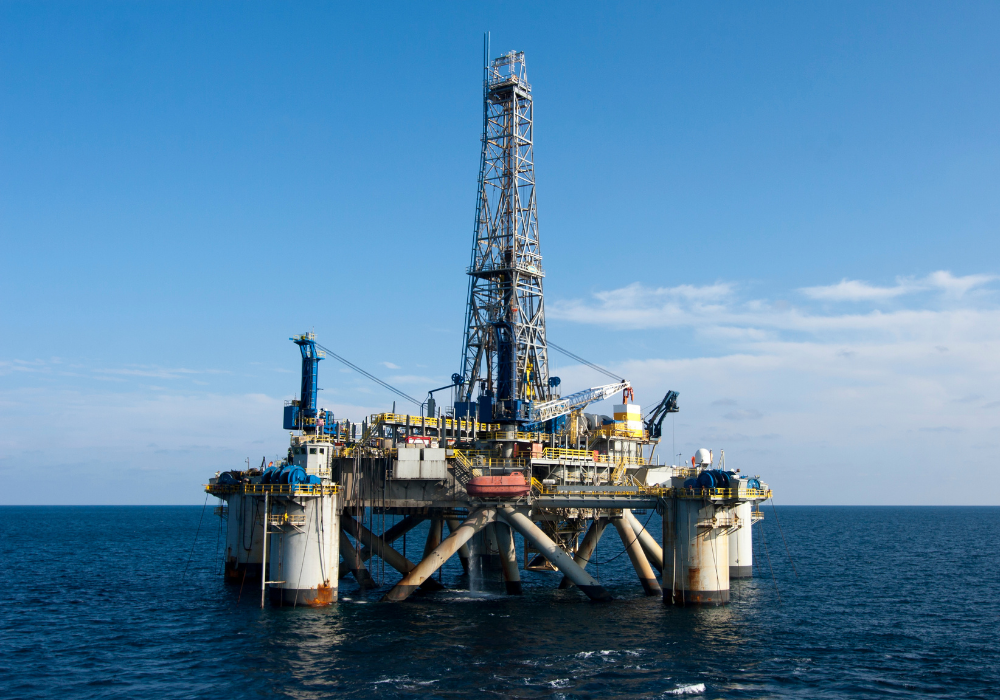
Types of Loads in Offshore Structures
The loads acting on offshore structures are generally categorized into five main groups
-
Environmental Loads
-
Wave Loads: Forces applied to the structure due to wave height, period, and direction. Calculated using wave theories like Airy, Stokes, and Morison's equation.
-
Current Loads: Continuous forces exerted by currents on structural elements like columns and subsea pipelines.
-
Wind Loads: Affect the upper structure and offshore wind turbines; high wind speeds can cause dynamic oscillations.
-
Sea Level Changes: Tidal variations and storm surges impact vertical loads on the structure.
-
Ice Loads: In cold climates, ice mass collision poses significant load risks.
-
-
Structural Loads
-
Dead Loads: Weight of the platform, piles, towers, and pipelines.
-
Live Loads: Variable loads from personnel, equipment, cranes, and vessels.
-
Storage Loads: Loads from tanks storing oil, gas, water, or chemicals.
-
-
Functional Loads
-
Lifting and Loading Loads: Dynamic forces during crane operations.
-
Internal Pressure in Pipelines: Pressure exerted by transported fluids.
-
Vibration Loads: Generated by turbines, pumps, and motors.
-
-
Accidental Loads
-
Seismic Loads: Forces from seismic activities on the seabed.
-
Explosion and Fire Loads: Pressure waves resulting from accidents in oil and gas facilities.
-
Collision Loads: Impact forces from vessels colliding with the platform or pipeline.
-
-
Hydrodynamic Loads
-
Added Mass Effect: Resistance created by water movement opposing the structure's motion.
-
Damping Forces: Energy dissipation due to wave and current interactions.
-
Floating Structure Loads: Oscillations and displacements in FPSO, spar, or semi-submersible platforms caused by waves.
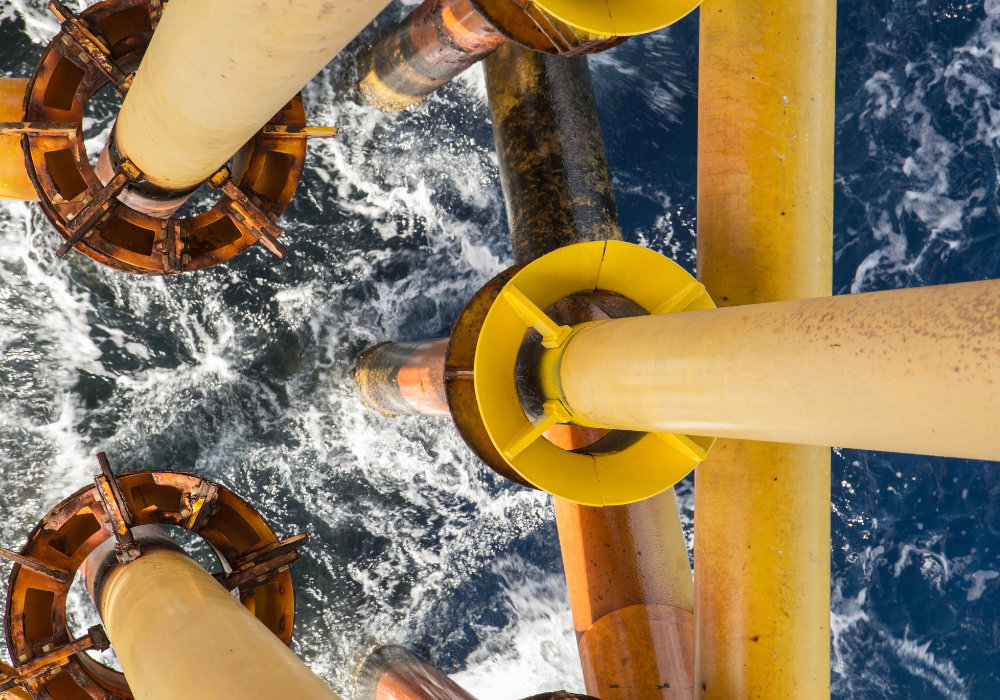
Importance of Load Analysis in Offshore Structures
Improper load calculations can lead to safety risks, premature fatigue, and economic losses. Detailed analysis ensures the platform's resilience to environmental, operational, and accidental conditions. Hydrodynamic and environmental loads directly influence material selection, column dimensions, and foundation design.
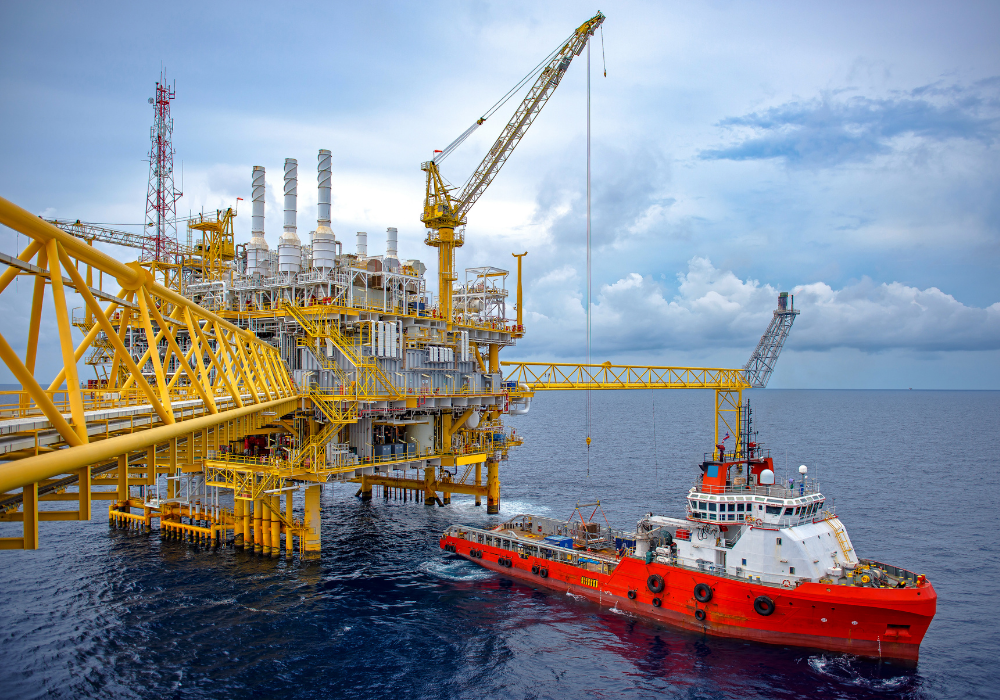
Conclusion
Loads in offshore structures are fundamental to marine engineering projects. Wave, wind, current, seismic, and ice loads, combined with static and dynamic loads, apply complex forces to the structure. Each project requires detailed analysis of these loads, supported by international standards (API, DNV, ISO) and safety factors. Proper load calculations directly impact the safety, economic lifespan, and operational efficiency of offshore structures.
Efil Construction evaluates wave, wind, current, and seismic loads in offshore and marine structures to provide safe and reliable solutions for your projects.
LATEST NEWS
-
 May 23, 2026
Soil Investigation
-
 April 30, 2026
What Is a Bored Pile?
-
 March 28, 2026
What is a Raft (Radye) Foundation?