



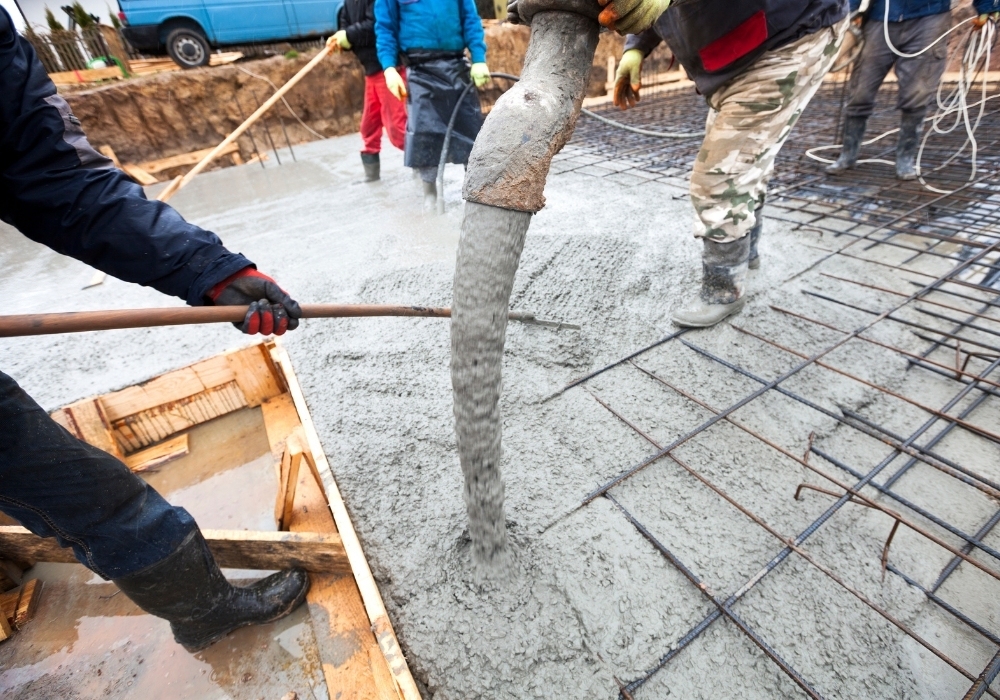
The Foundation of Earthquake-Resistant and Long-Lasting Buildings
No matter how modern or attractive a building looks, if the concrete quality is poor, the structure is unsafe.
In earthquake-prone countries like Türkiye, concrete is not just a construction material—it is a life-saving element.
In this article, we explain why concrete quality is critically important, using clear technical facts and real construction principles.
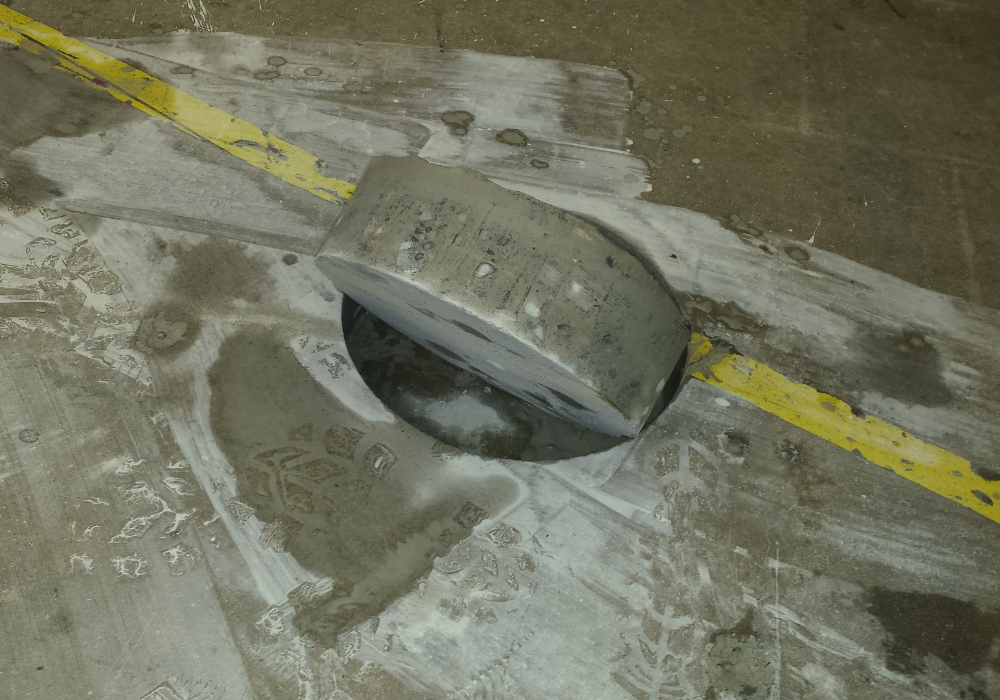
What Is Concrete and What Is Its Role in Buildings?
Concrete is a composite material made of cement, water, aggregates (sand and gravel), and chemical admixtures mixed in specific proportions.
Main functions of concrete:
-
Forming the load-bearing system (columns, beams, slabs)
-
Transferring loads safely to the ground
-
Resisting earthquakes, wind, and service loads
⚠️ All these functions depend directly on concrete quality.
⚠️ Risks of Using Low-Quality Concrete
Poor-quality concrete can cause serious and irreversible structural problems:
-
❌ Sudden collapse during earthquakes
-
❌ Early cracking in structural elements
-
❌ Reinforcement corrosion
-
❌ Reduced load-bearing capacity
-
❌ Shortened building lifespan
Post-earthquake investigations consistently show that collapsed buildings often have inadequate concrete strength.
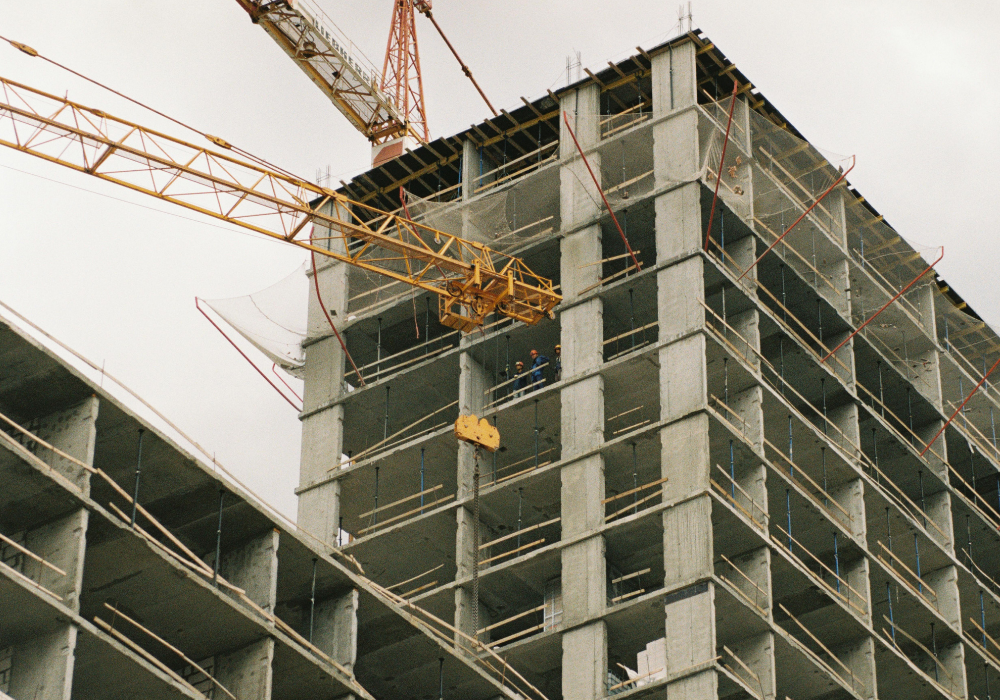
Concrete Strength Classes (C25, C30, C35)
Concrete classes indicate the compressive strength of concrete.
| Concrete Class | Typical Use |
|---|---|
| C20 | Low-risk structures |
| C25 | Old residential standard |
| C30 | Modern earthquake-resistant housing |
| C35+ | High-rise and special structures |
According to the Turkish Earthquake Code (TBDY), C30 concrete or higher is recommended for residential buildings.
How Is Concrete Quality Tested?
Concrete quality cannot be judged by appearance alone. Proper testing is essential:
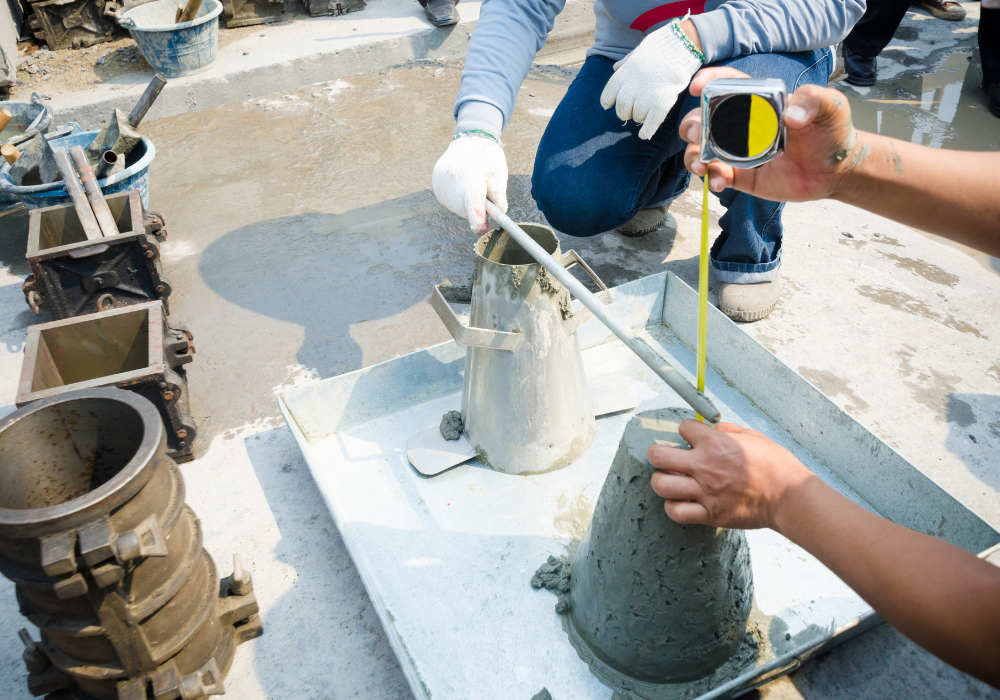
1️⃣ Slump Test
-
Measures workability
-
Excess water = lower strength
2️⃣ Cube / Cylinder Compression Tests
-
Samples taken during pouring
-
Tested at 7 and 28 days
3️⃣ Site Supervision
-
Proper pouring
-
Correct vibration
-
Adequate curing
⚠️ Good concrete with poor application still leads to unsafe structures.
Key Factors Affecting Concrete Quality
Concrete strength depends on:
-
Correct mix design
-
Quality aggregates
-
Proper water–cement ratio
-
Effective vibration
-
Proper curing conditions
-
Engineering supervision
Concrete is safe only when properly designed and applied.
How Do Professional Construction Companies Ensure Concrete Quality?
Professional firms:
✔ Work with certified ready-mix concrete suppliers
✔ Perform regular on-site concrete tests
✔ Use concrete classes specified in structural design
✔ Apply strict engineering control during construction
That’s why concrete quality is a key criterion when choosing a construction company.
✅ Conclusion: Concrete Quality Saves Lives
Concrete quality:
-
Is not a minor technical detail
-
Comes before aesthetics
-
Determines whether a building survives an earthquake
Remember:
- Cheap concrete can cost lives.
LATEST NEWS
-
 May 23, 2026
Soil Investigation
-
 April 30, 2026
What Is a Bored Pile?
-
 March 28, 2026
What is a Raft (Radye) Foundation?