



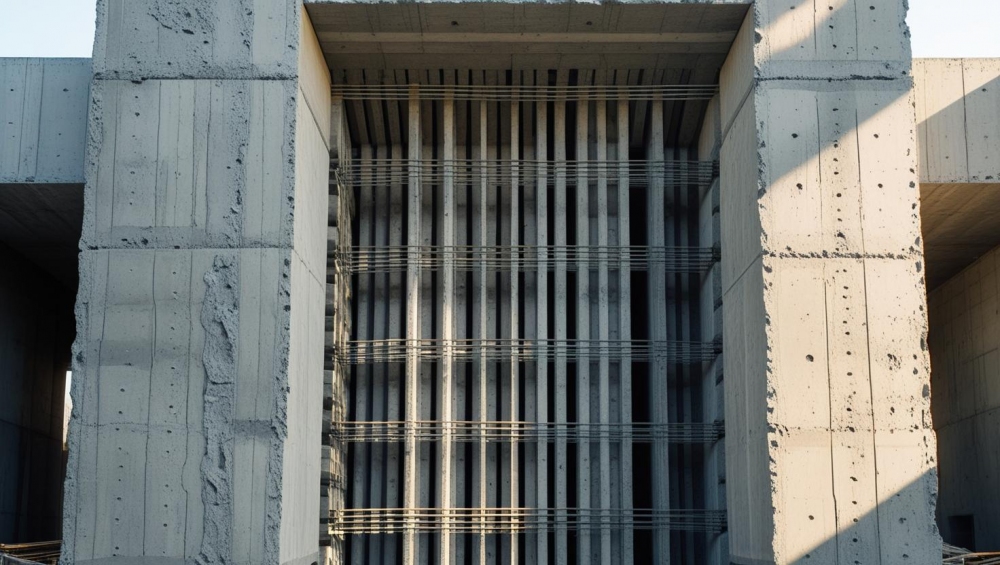
What is a Reinforced Concrete Shear Wall? | The Backbone of Earthquake-Resistant Structures
Reinforced concrete shear walls are among the most critical structural components in civil engineering. Especially in earthquake-prone regions, the presence, placement, and design of shear walls can determine whether a building stands or collapses during seismic activity.
So, what exactly is a reinforced concrete shear wall? Why is it so essential, and how does it contribute to building safety? Let’s explore in detail.
What is a Reinforced Concrete Shear Wall?
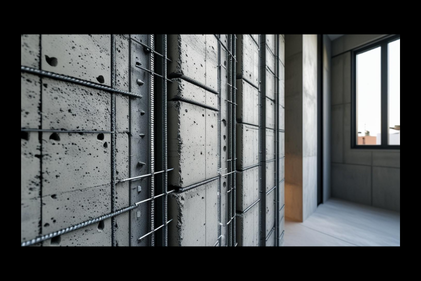
A reinforced concrete shear wall is a vertical structural element made of concrete and steel reinforcement. It provides high rigidity and strength, primarily resisting horizontal forces such as those generated by earthquakes and wind.
In other words, shear walls act as the “spine” of a building, preventing excessive movement and structural failure during lateral loading.
Why Use Reinforced Concrete Shear Walls?
1. Critical for Earthquake Resistance
Turkey and many other countries lie on active seismic zones. In these regions, achieving high seismic performance in buildings is not optional—it is essential.
➡️ Shear walls absorb and redistribute horizontal seismic forces, reducing stress on columns and beams.
➡️ They prevent building overturning and torsion.
➡️ Reduce inter-story drift and increase overall safety.
2. Provides Rigidity and Stability
Shear walls significantly increase a building’s stiffness, especially in high-rise structures.
➡️ Prevent excessive swaying and vibration.
➡️ Contribute to long-term structural durability and occupant comfort.
3. Acts as a Protective Core for Elevators and Stairs
In case of fire, impact, or seismic movement, elevator shafts and staircases must remain intact for evacuation.
➡️ Shear walls provide a protective barrier around these vital escape routes.
Technical Specifications of Reinforced Concrete Shear Walls
| Feature | Description |
|---|---|
| Material | Concrete (C30 or higher) + Deformed Reinforcing Steel |
| Thickness | Typically 20–30 cm, depending on structural design |
| Rebar Layout | Double-sided vertical and horizontal reinforcement |
| Height | Generally extends from foundation to roof |
| Design Codes | TBDY 2018, TS500, ACI 318 |
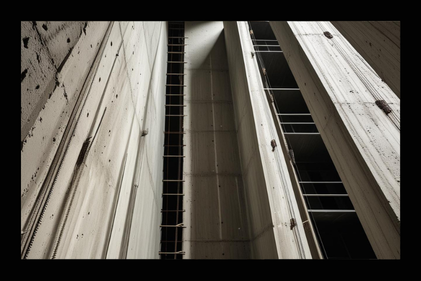
Types of Reinforced Concrete Shear Walls
✅ Coupled Shear Walls
Work in conjunction with columns and beams within the frame system.
✅ Free-Standing Shear Walls
Act independently, commonly used in symmetric configurations.
✅ Perforated (Punched) Shear Walls
Include openings for doors, windows, or mechanical spaces—common in elevator cores.
✅ Core Wall Systems
Enclose stairs and elevators entirely—frequently used in high-rise buildings.
Advantages of Reinforced Concrete Shear Walls
✅ High seismic performance
✅ Minimal maintenance and long service life
✅ Fire resistance
✅ Acoustic insulation
✅ High load-bearing capacity
✅ Architecturally adaptable
Key Design Considerations
-
Symmetrical Placement: Prevents torsional effects in seismic events.
-
Proper Thickness: Avoids cracking and premature failure.
-
Rebar Detailing: Must comply with code requirements on both faces.
-
Foundation Connection: Base must integrate seamlessly with the wall.
-
Code Compliance: Designs must strictly follow TBDY 2018 or local codes.
Conclusion: Shear Walls Save Lives
No matter how aesthetically impressive a structure may be, its foundation must be safety. Reinforced concrete shear walls are not just design features—they are lifesaving structural elements.
A well-designed shear wall system doesn't just protect the building—it protects the lives within.
Whether you're an engineer, an architect, or a homeowner…
Safe Structure = Strong Shear Wall
Need Professional Support?
➡️ At Efil Construction, we specialize in turnkey projects, structural design, 3D modeling, and earthquake performance evaluations.
Efil Construction – We Build with Knowledge, Complete with Trust.
LATEST NEWS
-
 May 23, 2026
Soil Investigation
-
 April 30, 2026
What Is a Bored Pile?
-
 March 28, 2026
What is a Raft (Radye) Foundation?