



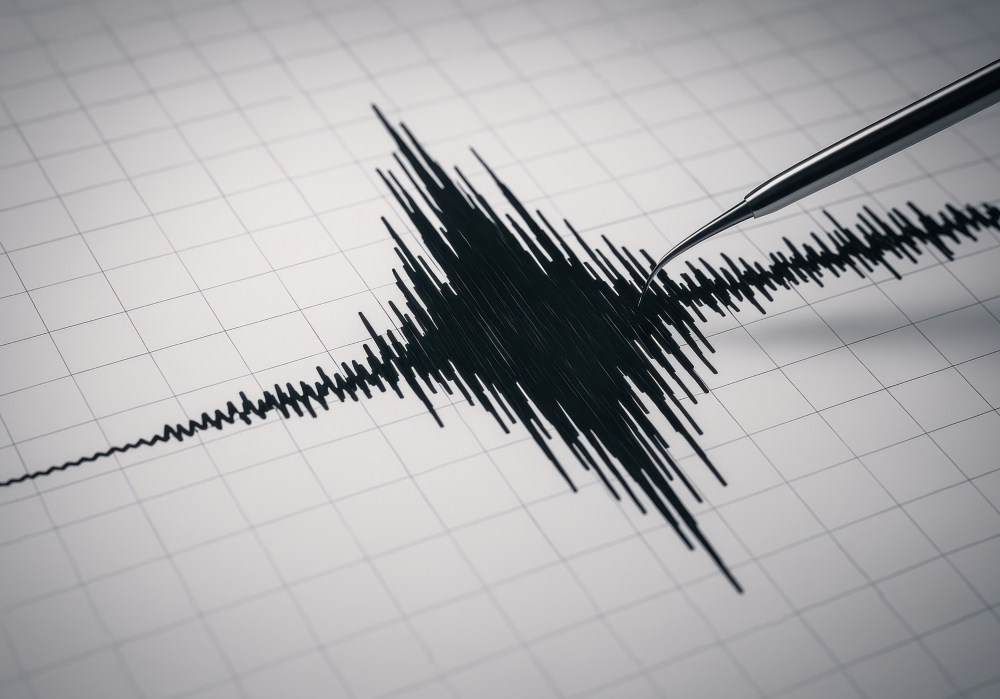
One of the most important questions for anyone buying or building a home in Turkey is: “Is this house safe in an earthquake?”
The 2025 Turkish Building Earthquake Code (TBDY) provides clear rules to ensure the safety of buildings. However, technical details can often be complex for most people.
At Efil İnşaat, we prepared this guide to help you easily understand whether a building complies with earthquake regulations with a practical checklist.
What Is an Earthquake-Resistant Home?
An earthquake-resistant home:
-
Has a solid foundation and correctly designed structural system
-
Uses concrete and steel that meet regulatory standards
-
Has projects prepared by authorized engineers
-
Is built according to approved project plans
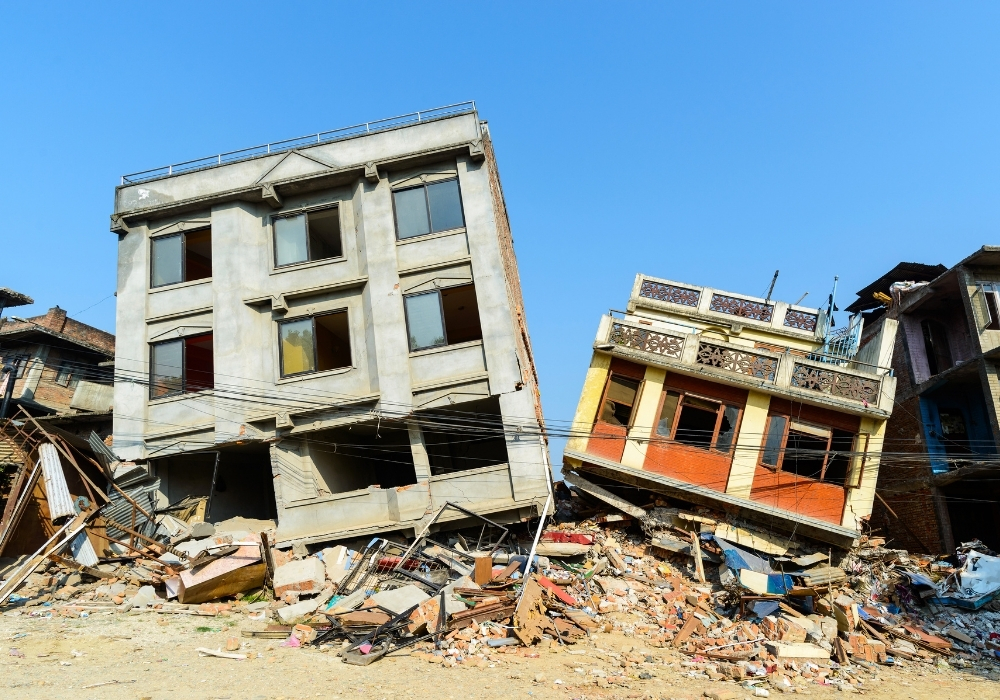
A house being new does not automatically mean it is safe; how it is built matters most.
Key Elements Required in Earthquake-Resistant Buildings
1️⃣ Soil Survey and Foundation System
-
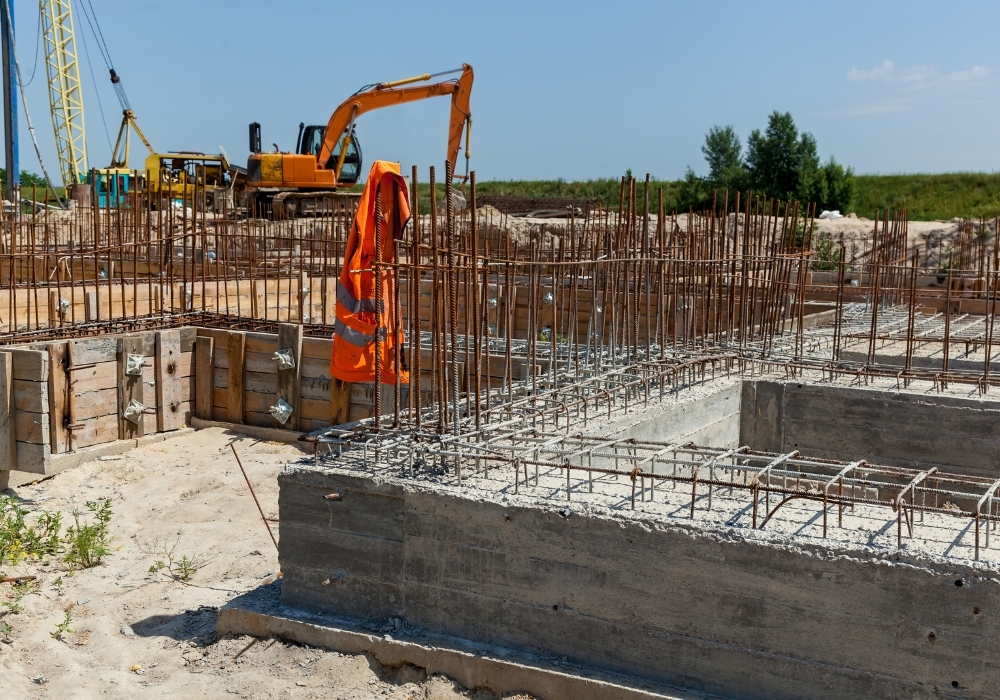
A geotechnical survey should be conducted before construction.
-
The foundation system (raft, pile, or improved foundation) should match soil conditions.
-
Soil improvement should be applied in areas prone to liquefaction.
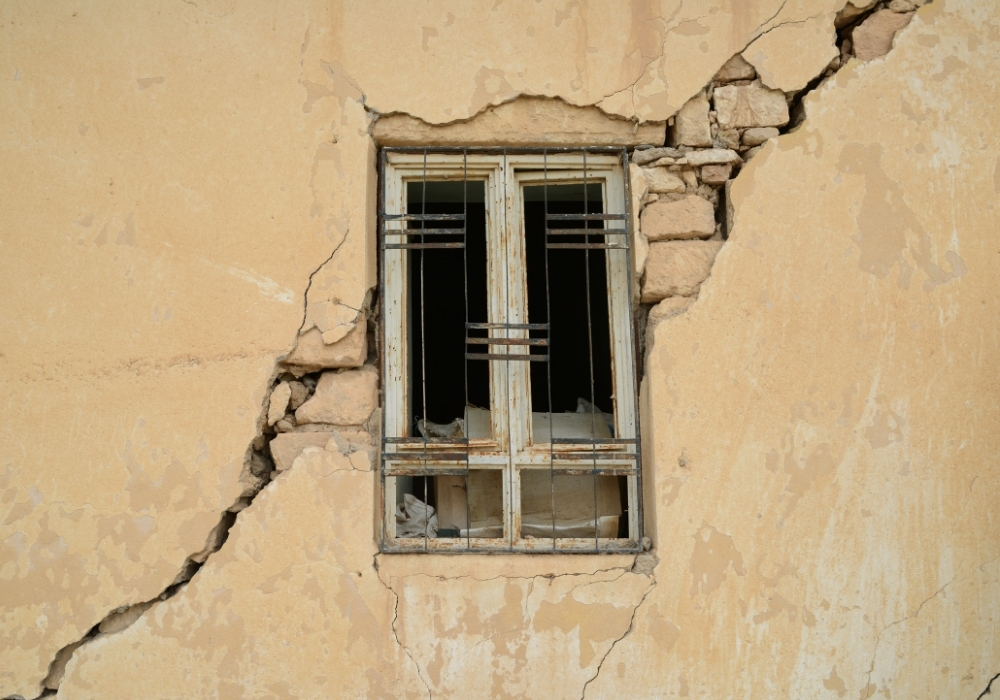
❗ Warning signs: leaks, cracks, or mold in the basement.
2️⃣ Structural System: Columns, Beams, and Shear Walls
-
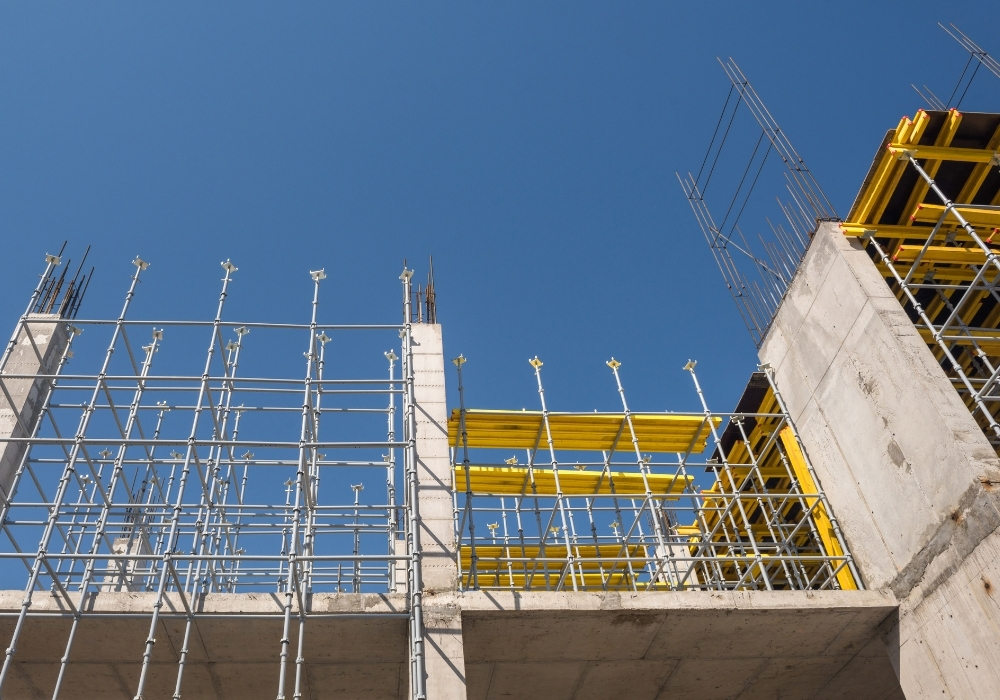
Columns must be properly spaced and sufficient in number.
-
Shear walls should be placed around elevators and staircases.
-
Avoid “soft story” risk in lower floors.
❗ Warning signs: Thinned columns or cracks at beam-column joints.
3️⃣ Concrete Quality
-
Minimum concrete class should be C30.
-
Concrete tests should be conducted and documented.
-
Surface defects such as honeycombing, voids, or cracks should be absent.
4️⃣ Steel Reinforcement Quality
-
S420 or S500 class steel should be used.
-
Rebars must be rust-free and properly tied.
-
Stirrup spacing at column-beam joints should comply with the code.
5️⃣ Project and Inspection Documents
-
Complete structural and architectural project reports, soil surveys, and inspection reports must be available.
-
Concrete test results and application photos should be documented.
❗ Transparency indicates safety.
6️⃣ Shear Wall Ratio
-
Shear walls are the most important vertical elements resisting earthquakes.
-
Lower floors, especially basements, must have adequate shear walls.
7️⃣ Construction Quality
-
Proper assembly at column-beam joints
-
Correct overlap of rebars
-
Single-session concrete pouring
-
No drilling into load-bearing structures
Simple Earthquake-Resistance Checklist
-
Is there a soil survey report?
-
Is the concrete at least C30?
-
Are the inspection documents complete?
-
Are there cracks in columns or beams?
-
Any leaks or moisture in the basement?
-
Are there enough shear walls?
-
Is there a “soft story” risk on the lower floor?
-
Are elevators or staircases reinforced with shear walls?
-
Is the building age and project year compliant with regulations?
-
Are engineering or inspection approval documents clearly available?
Conclusion
This guide and checklist allow you to easily evaluate whether a building is earthquake-resistant from foundation to roof.
Following these simple steps is crucial for a safe living environment when buying or building a home.
For professional support in choosing an earthquake-resistant home, you can schedule a pre-assessment with Efil İnşaat engineers via our contact page.
LATEST NEWS
-
 May 23, 2026
Soil Investigation
-
 April 30, 2026
What Is a Bored Pile?
-
 March 28, 2026
What is a Raft (Radye) Foundation?